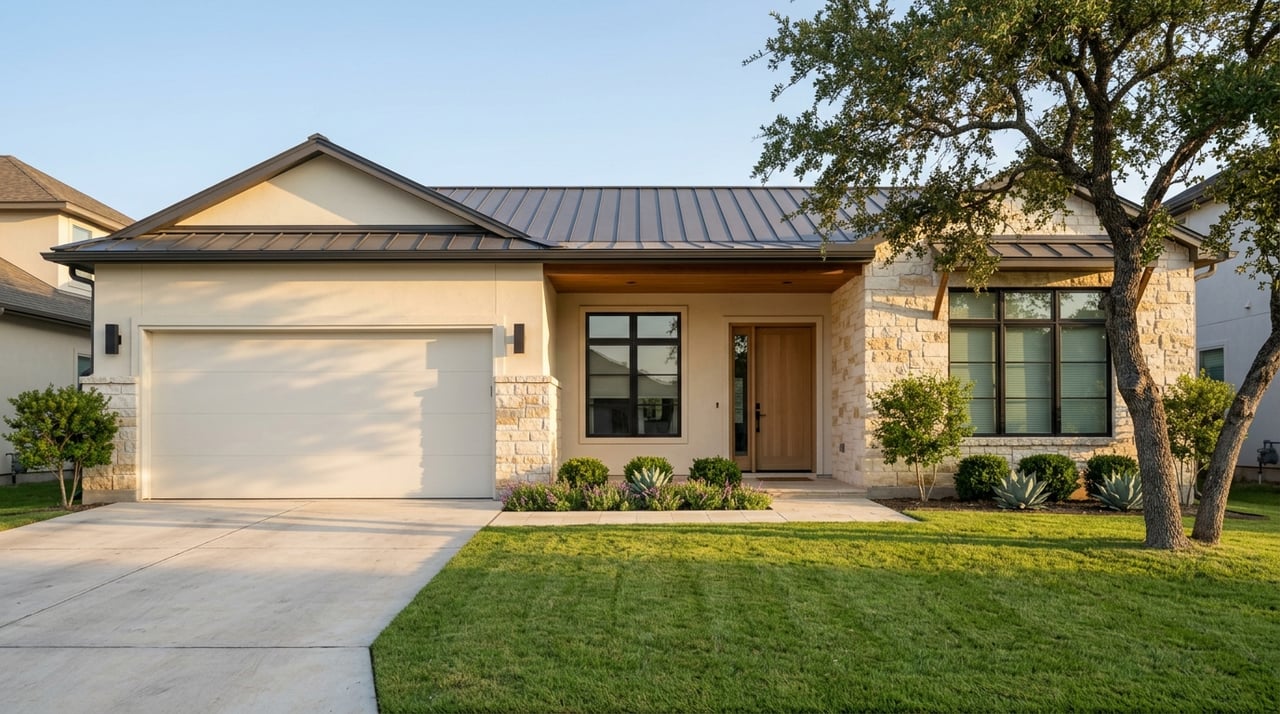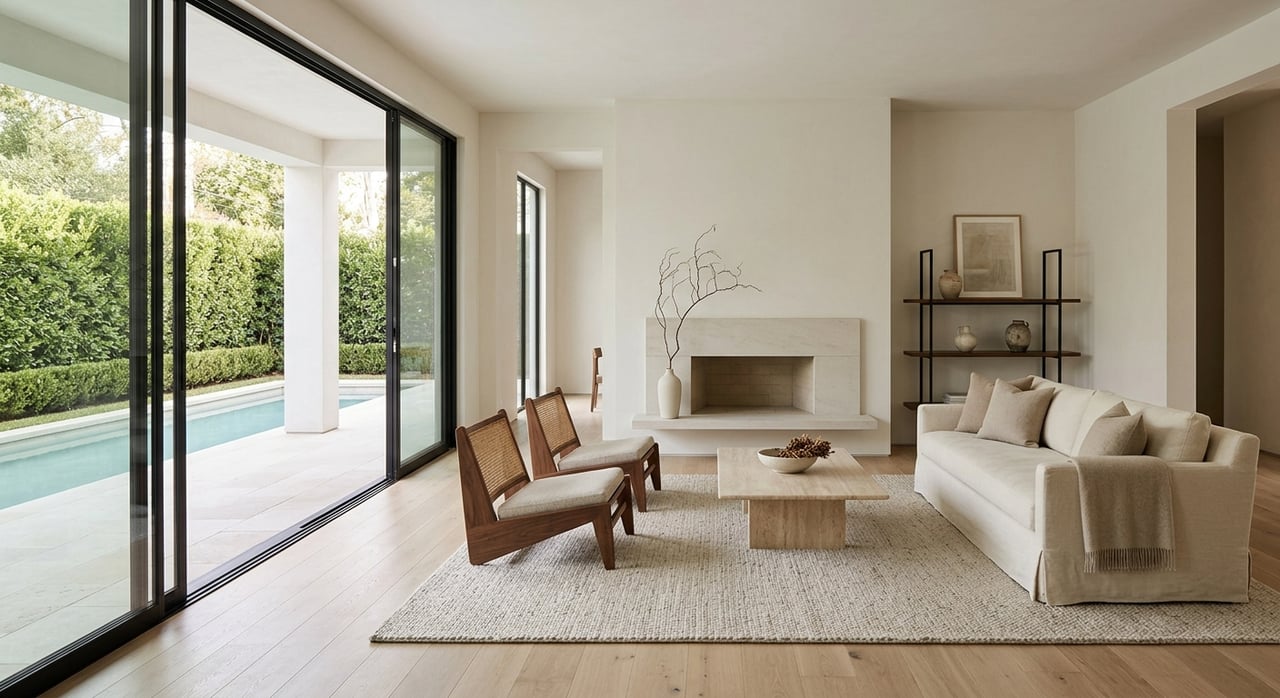
Selling a luxury home in San Antonio is not the same as listing a typical property. With a balanced market, more than five months of inventory, and a smaller share of sales in the upper price tiers, high-end sellers often need a sharper strategy from the start. If you want to protect value, attract serious buyers, and avoid sitting on the market longer than necessary, the right preparation can make a real difference. Let’s dive in.
Why preparation matters in San Antonio
San Antonio’s housing market was balanced in February 2026, with 5.51 months of inventory and an average of 102 days on market. Homes also sold for about 91.9% of original list price on average, which points to a market where buyers are paying attention to condition and pricing.
For luxury sellers, that matters even more because the buyer pool is smaller. In the same market report, only 5.25% of sales were priced from $750,000 to $1 million and above, while 10.33% were priced from $500,000 to $749,999. That means your home needs to stand out for the right reasons, with a polished presentation and a pricing plan grounded in local data.
SABOR’s 2025 review also showed that the market adjusted to higher mortgage rates through lower transaction volume rather than sharp value declines. Active listings rose by more than 16%, and inventory stayed just over five months. In a market like that, luxury sellers are usually better served by precision than by testing the market with an overly ambitious number.
Start with condition and presentation
Before your home is photographed or shown, it should feel clean, edited, and well maintained. Basic pre-listing work includes decluttering, depersonalizing, deep cleaning, making necessary repairs, and staging. In a luxury property, buyers tend to notice small details quickly, so unfinished maintenance or visual distraction can undercut the overall impression.
Think of preparation as part of the home’s value story. A luxury buyer is not only comparing square footage or finishes. They are also responding to how easy the home feels to enjoy, how well it has been cared for, and whether the property feels move-in ready.
Declutter with intention
Luxury spaces usually show best when each room has a clear purpose and a calm visual flow. That means removing excess furniture, personal collections, and anything that makes rooms feel crowded or overly specific to your lifestyle.
You do not want buyers focused on your belongings when they should be noticing ceiling height, window placement, custom millwork, outdoor access, or the way the floor plan lives. A lighter, more edited look often helps the home feel larger and more refined.
Depersonalize without making it cold
Depersonalizing does not mean stripping out all character. It means reducing highly personal items so buyers can imagine the property as their own.
Family photos, bold niche decor, and room uses that feel too customized can make that harder. The goal is a warm, elevated setting that still feels inviting.
Deep clean every surface
A spotless home sends a strong message about care and maintenance. Kitchens, baths, floors, windows, baseboards, stone surfaces, and lighting should all be cleaned thoroughly before launch.
Luxury buyers often expect a high standard from the first showing. If a home looks clean, bright, and crisp, buyers are more likely to trust the rest of the property has been maintained with the same attention.
Handle needed repairs before listing
Small repair issues can create bigger doubts. Loose hardware, chipped paint, cracked caulking, sticky doors, worn grout, burned-out bulbs, and minor exterior defects may seem manageable, but they can shape how buyers judge the home overall.
Taking care of visible repairs before going live helps support a stronger first impression. It can also reduce the risk that buyers use minor condition issues to push harder during negotiations.
Stage the rooms that matter most
Staging helps buyers picture themselves in the home. According to NAR’s 2025 staging report, 83% of buyers’ agents said staging makes it easier for buyers to visualize a property as a future home.
The same report found the most important rooms to stage were the living room, primary bedroom, and kitchen. Sellers’ agents also frequently staged the dining room and outdoor or yard space, which is especially relevant for luxury homes in San Antonio where covered patios, pools, views, and acreage can be a major part of the property’s appeal.
Focus on lifestyle spaces
In many luxury homes, the main living room, kitchen, and primary suite carry the emotional weight of the showing. These are the spaces where buyers picture daily life, entertaining, and comfort.
Your staging should support that feeling. Clean lines, balanced furniture placement, and subtle styling usually work better than overly dramatic decor.
Do not overlook outdoor areas
Outdoor living can be a major selling point in San Antonio. If your property has a covered patio, pool, outdoor kitchen, long-range view, guest house, or acreage, those features should be presented with the same care as the interior.
That may mean fresh cushions, pressure washing, trimmed landscaping, cleaned pool tile, or simple outdoor staging that shows how the space can be used. Buyers often assign real value to outdoor function, especially in a high-end home.
Build a strong online first impression
Many buyers begin their search online, and that is especially important for distinctive or higher-priced homes. NAR’s 2025 home-buyer trends report found that 43% of buyers first looked online for properties for sale.
The same report showed that buyers found photos most useful, followed by detailed property information, floor plans, virtual tours, and videos. For a luxury listing, that means your digital presentation should be complete before the home hits the market.
Invest in professional visuals
Photos are often the first showing. If the photography is flat, poorly lit, or incomplete, many buyers may never schedule an in-person visit.
Professional photography should highlight the home’s architecture, flow, and standout features. For luxury properties, polished visuals may also include aerial imagery, especially when land, views, privacy, or the scale of the property are part of the value.
Include floor plans and detailed information
High-end buyers often want more than beautiful images. They also want clarity.
A strong online presentation should help buyers understand room relationships, layout, special features, and how the property lives. Floor plans and complete listing details can help serious buyers evaluate fit before they ever step through the door.
Price with discipline, not guesswork
Pricing is one of the most important decisions you will make when selling a luxury home in San Antonio. In a balanced market with more inventory and a smaller upper-end buyer pool, the right list price can influence early interest, showing activity, and your negotiating position.
SABOR’s local market data suggests a strategy built on condition, presentation, and precision pricing. That is often more effective than starting high and waiting to see what happens, especially when buyers have choices and are watching value closely.
Why overpricing can backfire
Luxury buyers are informed, and many compare homes carefully before touring. If your home enters the market priced beyond what its condition, location, and features support, it may lose momentum during the most important early window.
Once a listing sits, buyers may start to wonder why. That can lead to fewer showings, more skepticism, and later price adjustments that weaken your position.
Use local data and property specifics
Luxury pricing is rarely one-size-fits-all. It should account for recent comparable sales, current competition, property condition, lot characteristics, updates, views, outdoor amenities, and the overall buyer experience the home delivers.
That is especially true for custom homes, acreage properties, and one-of-a-kind residences. In those cases, careful local analysis matters more than broad averages.
Prepare for showings the right way
Once your home is live, daily showing readiness becomes part of the strategy. NAR’s seller guidance recommends picking up clutter, clearing kitchen and bath counters, wiping surfaces, hiding valuables, securing firearms and prescription medications, opening window treatments, turning on all lights, disabling the alarm, and taking pets away during showings.
These steps help your home feel open, safe, and easy to tour. They also reduce distractions so buyers can focus on the property itself.
Create a simple showing checklist
Luxury showings often happen on short notice, so a repeatable routine can help. Your checklist might include:
- Clear countertops and tables
- Open blinds and drapes
- Turn on interior and exterior lights as needed
- Store valuables out of sight
- Secure firearms and prescription medications
- Remove pet items and arrange for pets to be away
- Do a final walk-through for odors, clutter, or missed details
A calm, consistent system helps keep the home presentation-ready without adding unnecessary stress.
Organize disclosures before launch
Preparation is not only about appearance. It is also about paperwork.
In Texas, the TREC Seller’s Disclosure Notice is required for sellers of previously occupied single-family residences and applies to contracts entered into on or after September 1, 2023. The form covers material facts and the physical condition of the property, so it is smart to gather relevant information before the listing goes live.
If your home was built before 1978, federal lead-based paint disclosure rules apply to most such housing and require disclosure of known lead hazards before the sale. For older luxury homes in San Antonio, getting these documents organized early can help support a smoother listing process.
A smart luxury sale starts before the sign goes up
The best luxury listings rarely feel rushed. They launch with strong condition, thoughtful staging, polished visuals, disciplined pricing, and the right paperwork already in order.
In San Antonio, where the upper-end market represents a smaller share of overall sales, that kind of preparation can help your home compete more effectively and connect with serious buyers. If you want tailored guidance on preparing a distinctive property for market, Roxane Cook brings experienced, polished support to every step.
FAQs
What makes selling a luxury home in San Antonio different from selling a typical home?
- San Antonio’s luxury segment represents a smaller share of total sales, which means you may be working with a narrower buyer pool and greater pricing scrutiny than a typical seller.
Which rooms matter most when staging a luxury home for sale?
- NAR’s 2025 staging report found the living room, primary bedroom, and kitchen were the most important rooms to stage, with outdoor areas also important for many higher-end homes.
Why is professional photography important for a San Antonio luxury listing?
- Buyers often begin online, and NAR found photos were the most useful website feature for 83% of buyers, making strong visuals essential to your first impression.
How should you price a luxury home in San Antonio in a balanced market?
- A data-driven price based on local comparables, property condition, competition, and unique features is usually more effective than starting high in a market with more inventory and selective buyers.
What disclosures should Texas luxury home sellers prepare before listing?
- Texas sellers of previously occupied single-family homes should be ready for the TREC Seller’s Disclosure Notice, and homes built before 1978 may also require federal lead-based paint disclosure if applicable.
What should you do before each luxury home showing?
- Clear clutter, wipe surfaces, open window coverings, turn on lights, secure valuables, firearms, and medications, and have pets away so buyers can tour the home comfortably.